Sign Up
Sign In
Blog
2026-02-01 16:42:29 Robert E. Smith
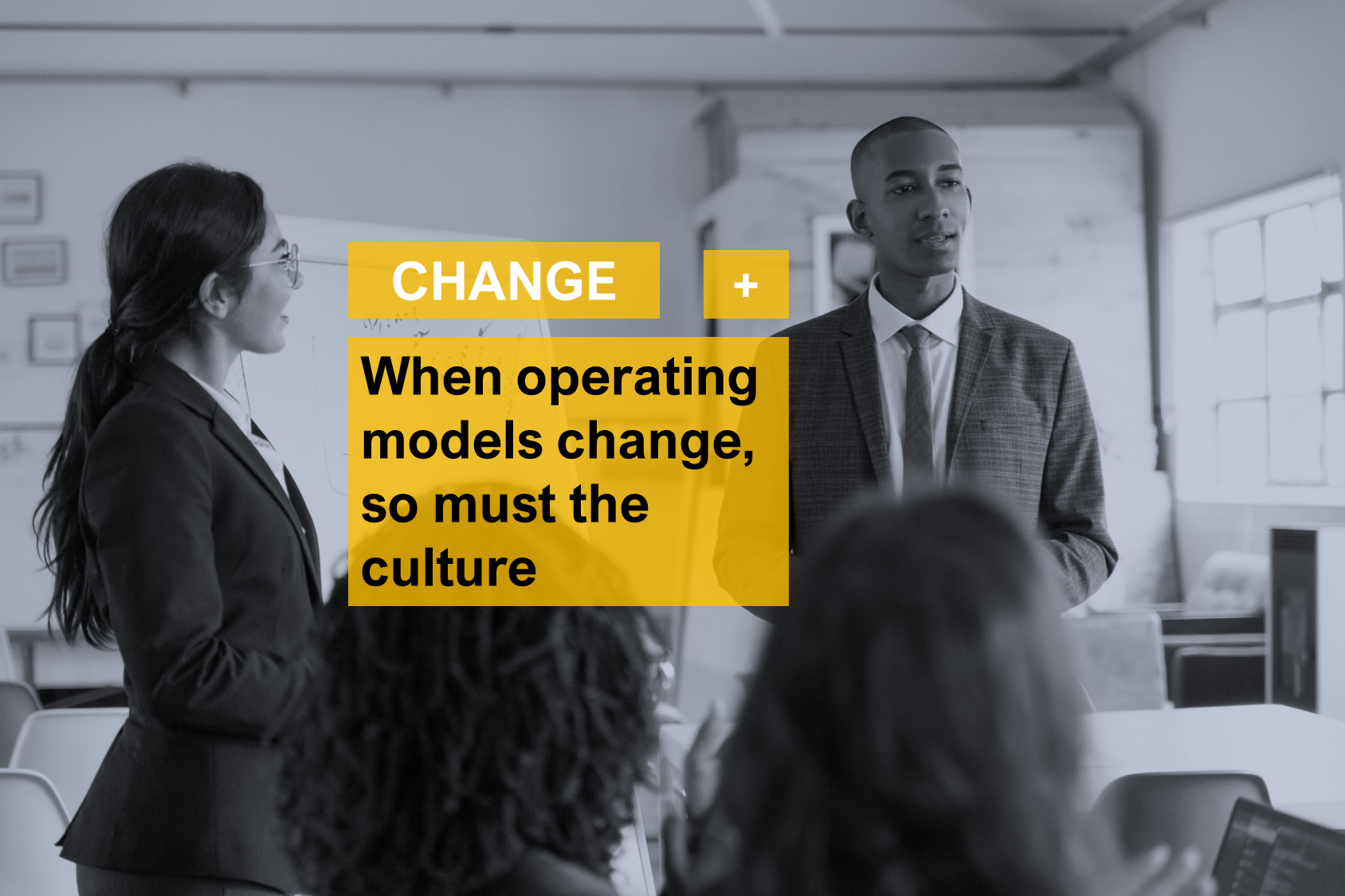
Social‑sector organizations are no strangers to change, but some moments require a deeper kind of transformation — one that goes beyond structure and process and reaches into mindset, behavior, and culture. One of our recent clients found themselves at exactly that kind of inflection point.
Increasing government oversight and heightened expectations for documented community impact meant the organization needed to evolve its operating model. Funders wanted clearer evidence of outcomes. The community needed more direct support. And the organization had to demonstrate that its resources were aligned to the work that mattered most.
A shift toward front‑line impact
To meet these expectations, the organization made the difficult decision to eliminate several existing roles to create financial capacity for new front‑line mental health and wellness positions. These changes touched every part of the organization. While staff had been through an operating model shift before, this was the first time leaders recognized that the mechanics alone wouldn’t be enough. The real work would be cultural.
This time, the organization needed to focus not just on what was changing, but how leaders and teams would need to think, behave, and collaborate to make the new model real.
A dual focus: compliance and compassion
The executive team framed the transformation around a powerful dual mandate:
This framing grounded the change in both necessity and purpose. It helped leaders understand that the shift wasn’t simply about restructuring — it was about strengthening the organization’s ability to deliver on its mission.
Supporting leaders through the human side of change
To help the leadership team navigate this moment, The Change Shop team designed a series of workshops focused on alignment, communication, and culture.
Each session blended outside‑in perspective with inside‑out reflection:
For many leaders, this was the first time they had explicitly explored the mindset and cultural implications of an operating model change. It surfaced important tensions and created a shared language for what the organization needed next.
Capturing leaders’ voices — and embedding the change
After each workshop, our team prepared detailed summaries written in the leaders’ own words. These documents became essential cultural artifacts used to:
This ensured the work didn’t stay in the room and that it instead became part of how leaders communicated, coached, and made decisions.
Building a culture that can sustain the new model
The early signs of progress were clear. Leaders began to articulate the “why” behind the changes with greater clarity and confidence. Conversations shifted from structural mechanics to cultural intention. The compliance‑and‑compassion framing became a touchstone for decision‑making and communication.
Most importantly, leaders began to see the change not as a one‑time restructuring, but as an ongoing cultural evolution — one that required consistent reinforcement and leadership presence.
What this work reinforces
This engagement underscored a truth we see across the social sector: operating model changes succeed when leaders are willing to examine and evolve their own behaviors.
When leaders align around purpose, communicate with clarity, and commit to modeling the culture they want to build, transformation becomes not only possible — it becomes sustainable.
0


Comments